HVAC operating intelligence for Los Angeles teams.
A calibrated planning starting point for Los Angeles building owners, contractors, and facilities teams managing annual benchmarking, audits, retro-commissioning questions, and electrification pathways.
Explore the 10-image HVAC guideWhat is supported now—and what still needs local evidence?
We separate source-backed market context from site-specific proof. That keeps the page useful without turning a public source into a compliance, savings, or engineering claim.
Los Angeles’ EBEWE program makes energy and water benchmarking a recurring operating responsibility for covered existing buildings. HVAC asset records, meter data, audit evidence, and retro-commissioning workflows should be connected before modernization claims are made.
Scope an assessmentThese source records support the market context on this page. They do not prove a site-specific obligation, savings outcome, vendor capability, or engineering conclusion.
Los Angeles Existing Buildings Energy and Water EfficiencyOfficial or sector source record to verify current local context before acting.Los Angeles Department of Building and SafetyOfficial or sector source record to verify current local context before acting.Los Angeles Department of Water and Power efficiency programsOfficial or sector source record to verify current local context before acting.EPA ENERGY STAR Portfolio ManagerOfficial or sector source record to verify current local context before acting.HVAC in focus.
A guide for Los Angeles teams.
See the equipment, workflows, and records behind an operating-readiness assessment. Use these examples to ask better questions about your own building.
AI-generated educational illustrations shared across our city guides. These are not photographs of local buildings, Slyyyde projects, clients, or staff. Equipment shown may not be present at your site; illustrations are not installation instructions.
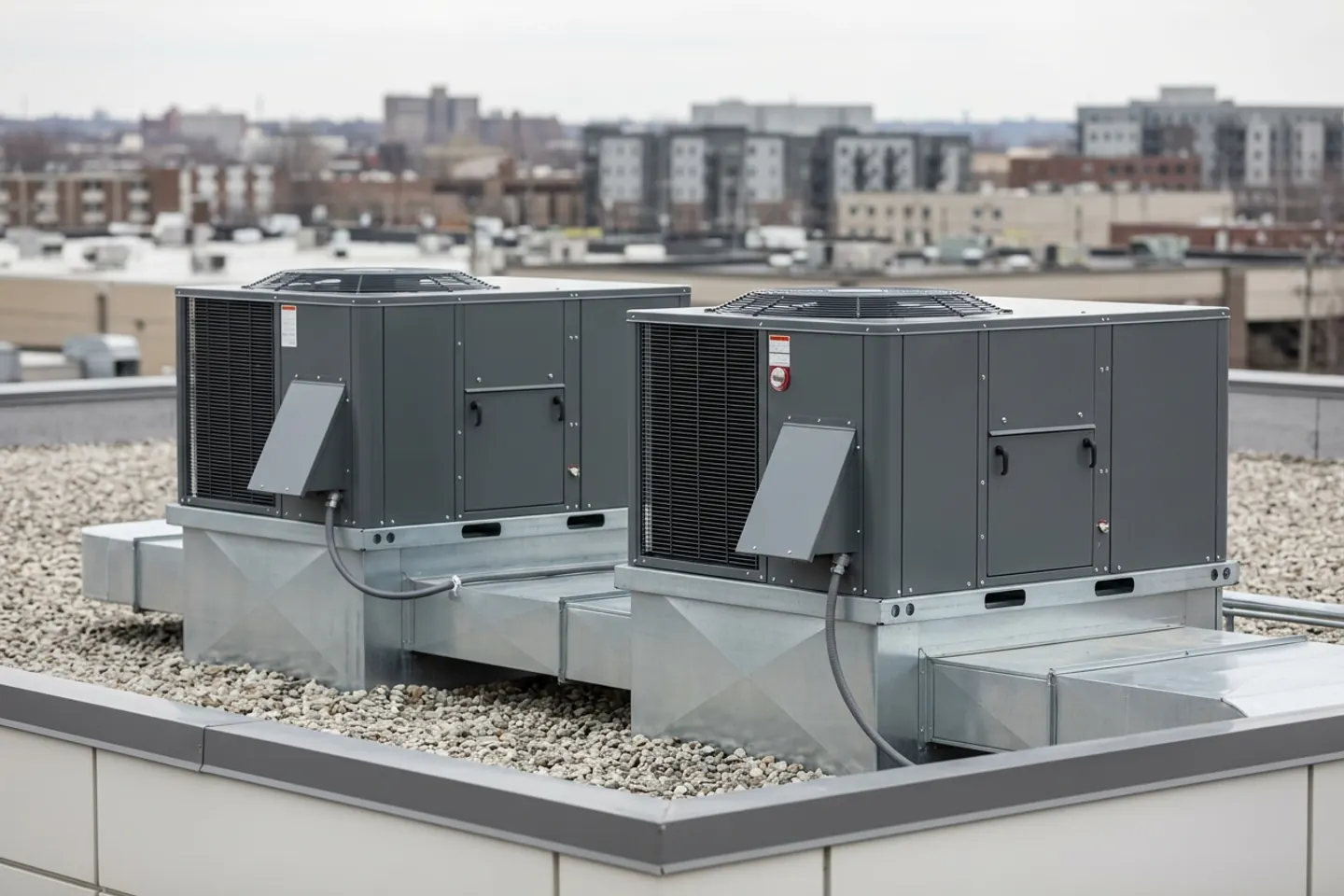
Rooftop equipment
Match each rooftop unit to an asset ID, nameplate record, service history, and the spaces it serves before planning repair or replacement.
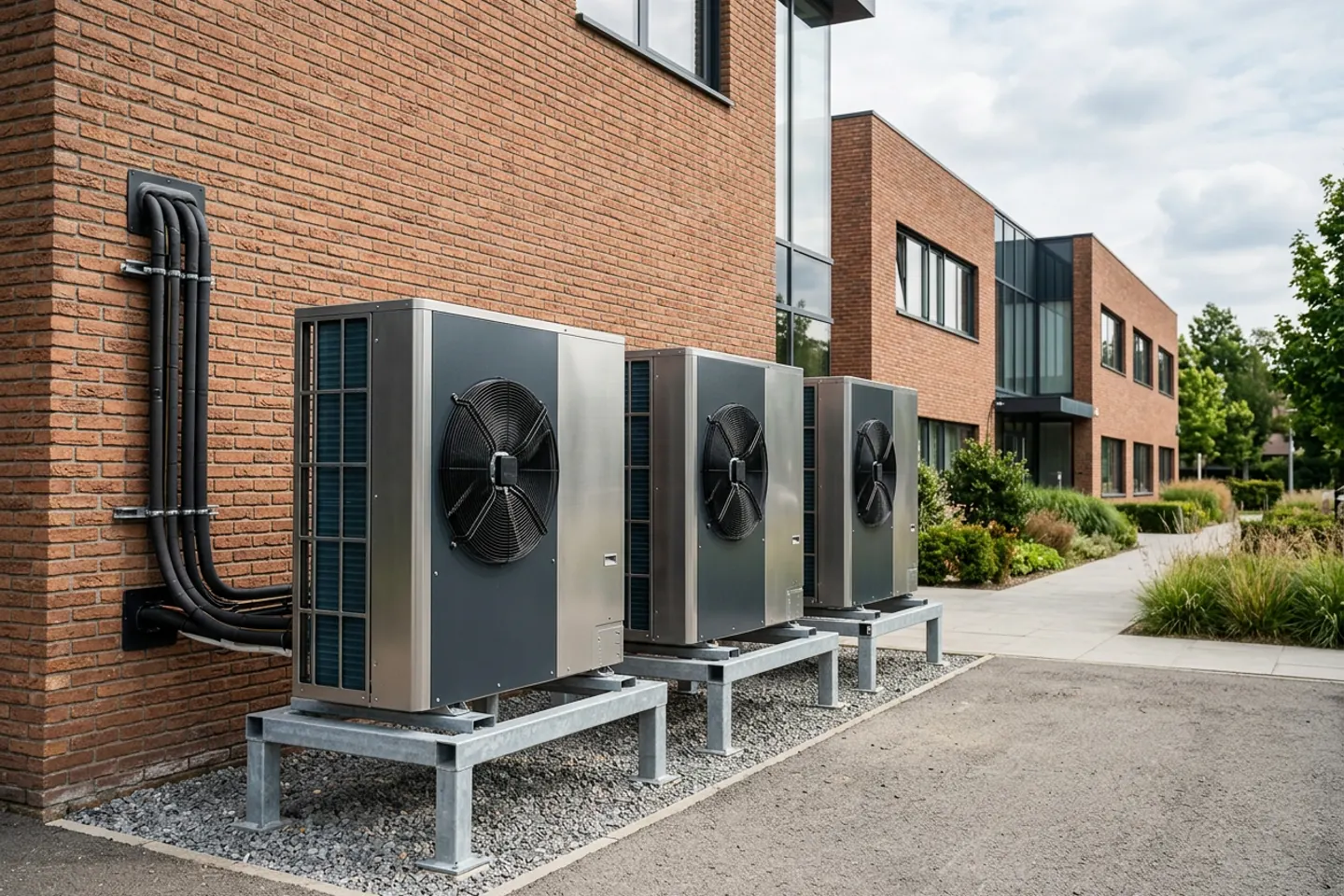
Commercial heat pumps
A heat-pump proposal needs building-load information, electrical capacity, operating-temperature requirements, and a qualified design review—not just an equipment quote.
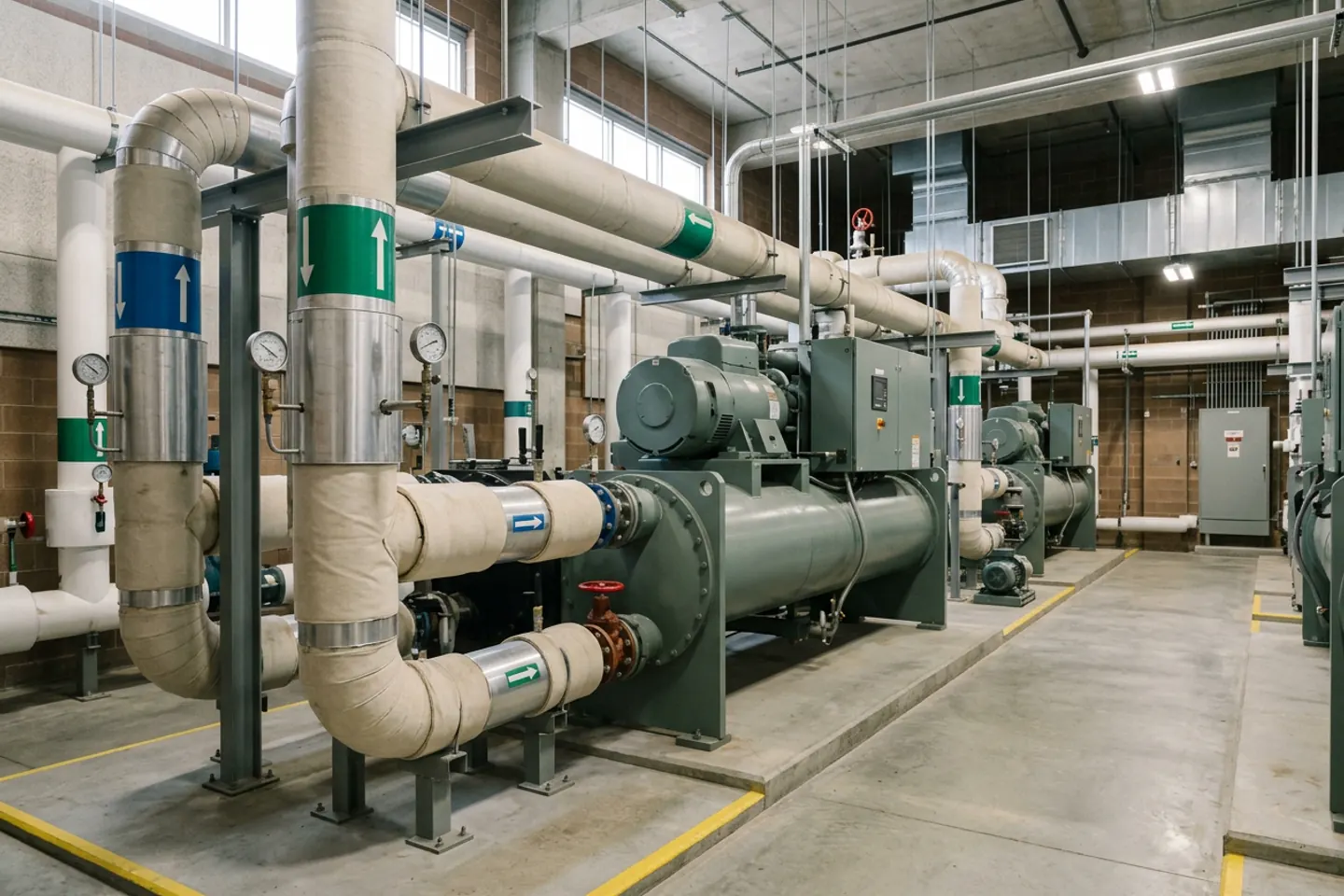
Central cooling plants
Review plant schedules, water-temperature trends, alarms, and service records together. A single reading does not establish seasonal performance or savings.
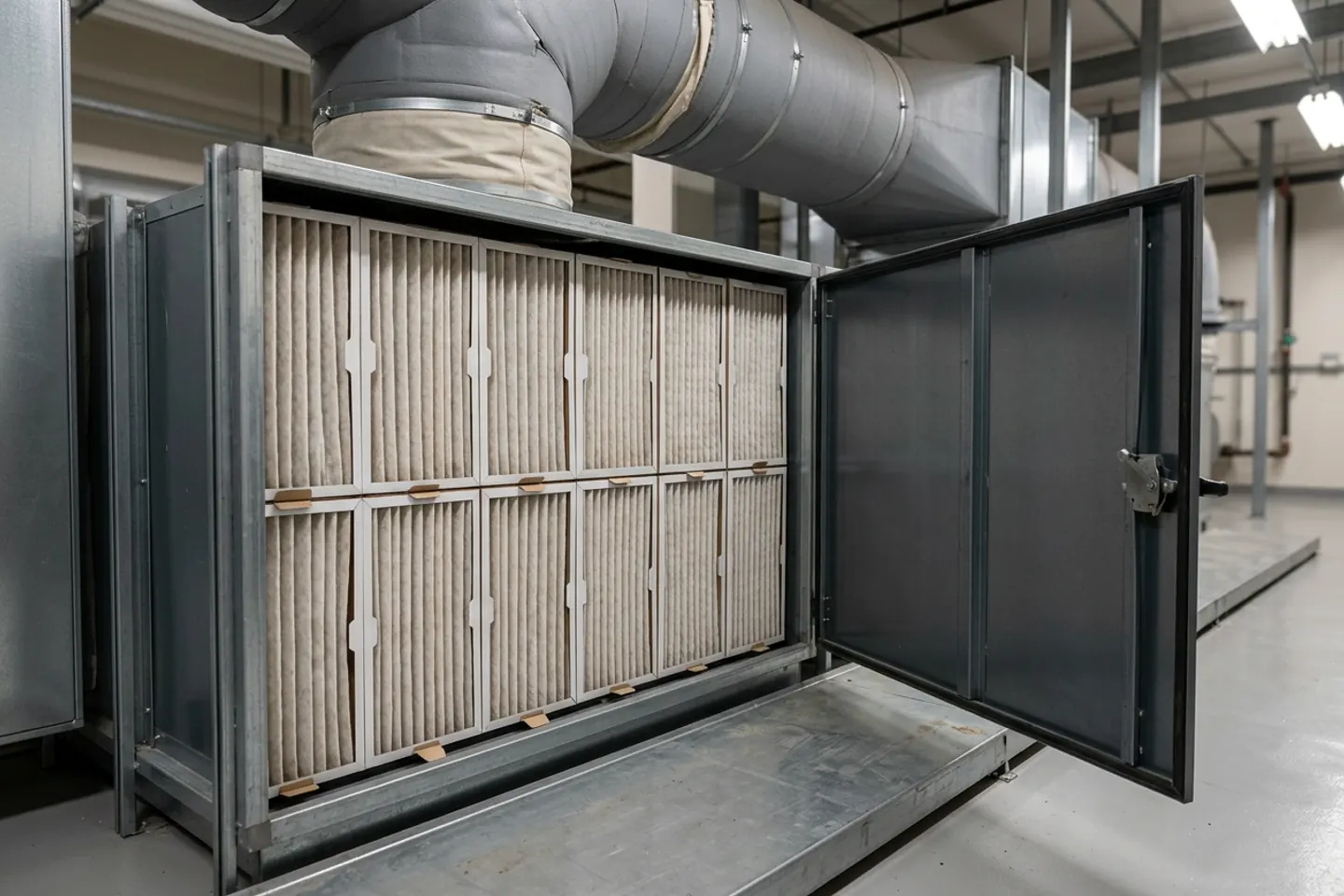
Air handling & filtration
Document the specified filters, replacement dates, access needs, and pressure readings where available. Filter appearance alone is not an indoor-air-quality assessment.
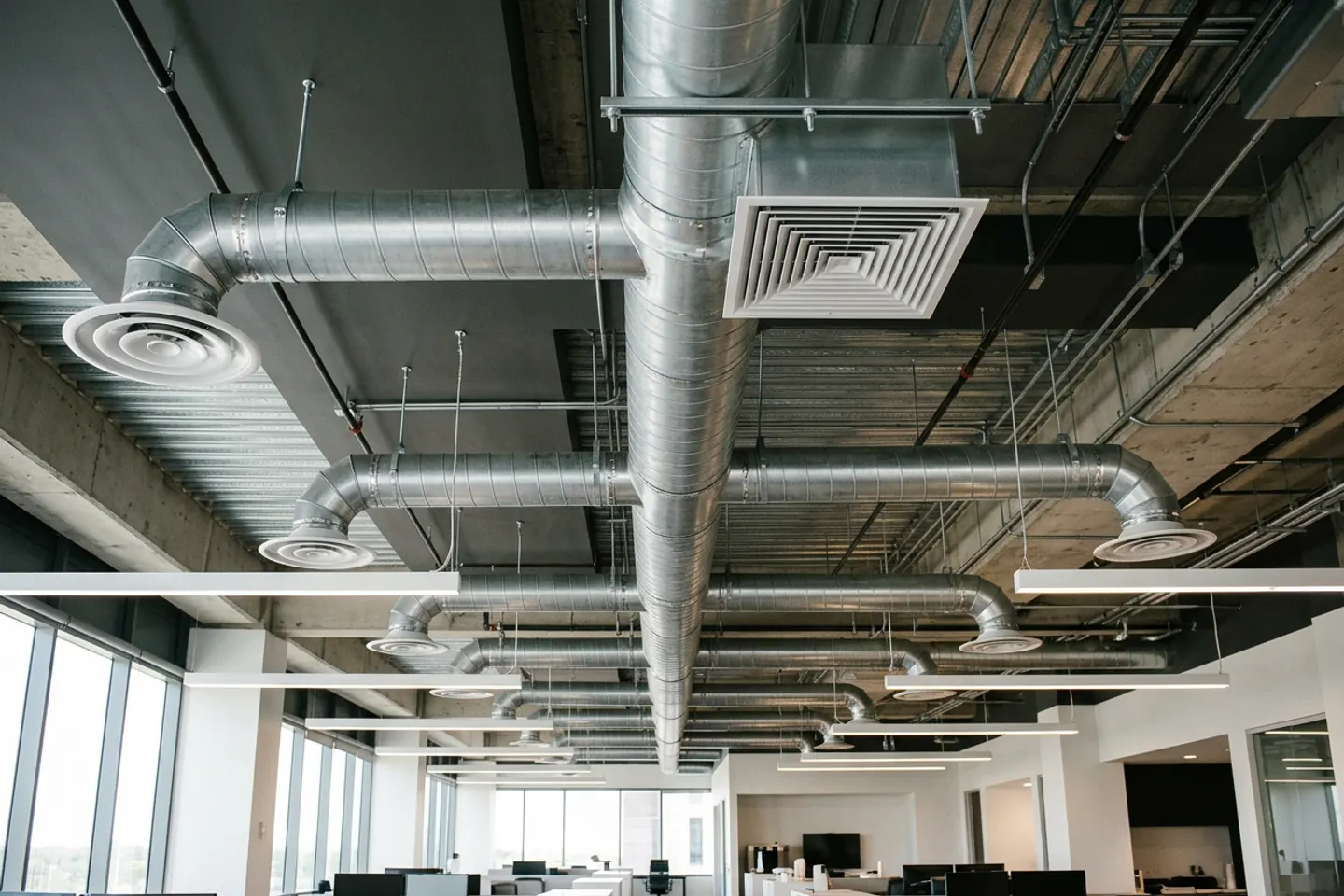
Ventilation & distribution
Connect comfort complaints to zones, occupancy schedules, and available airflow records. Have qualified professionals evaluate ventilation and distribution changes.
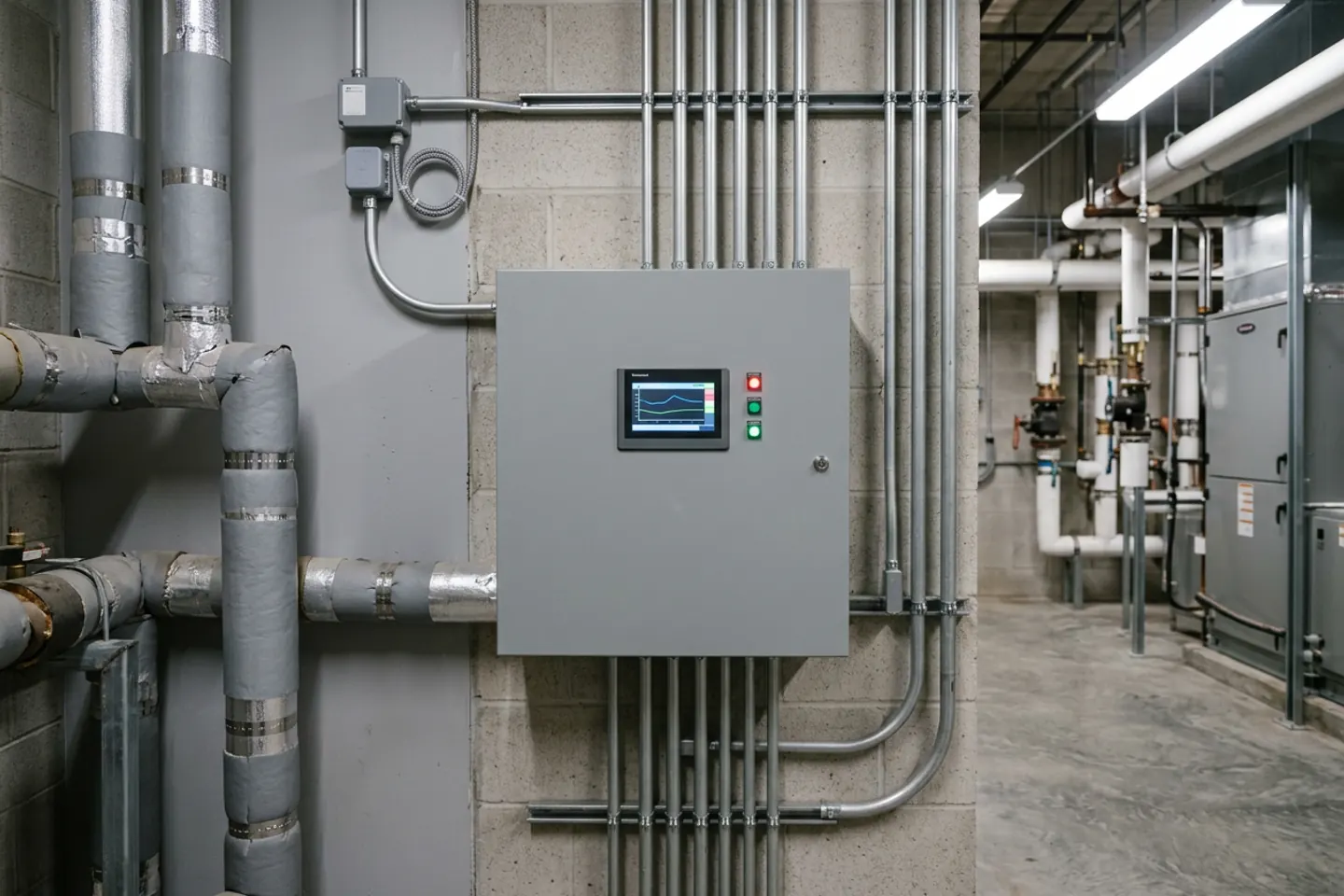
Building automation
Collect the point list, sequences, alarm history, and trend exports. Establish who can change settings and how those changes are recorded and reviewed.
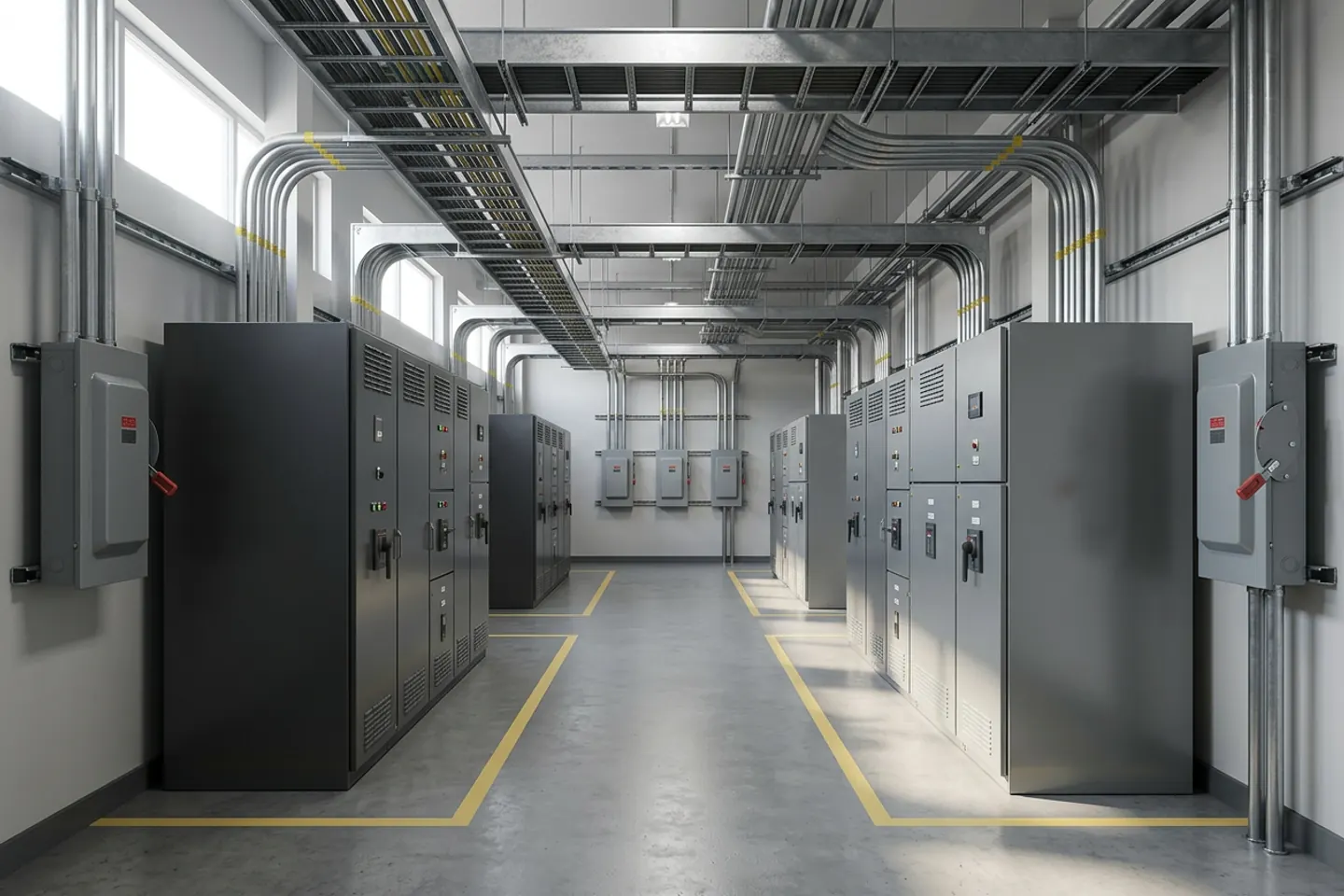
Electrical readiness
Route capacity, protection, and utility-service questions to qualified electrical professionals. A photograph cannot confirm spare capacity or code compliance.
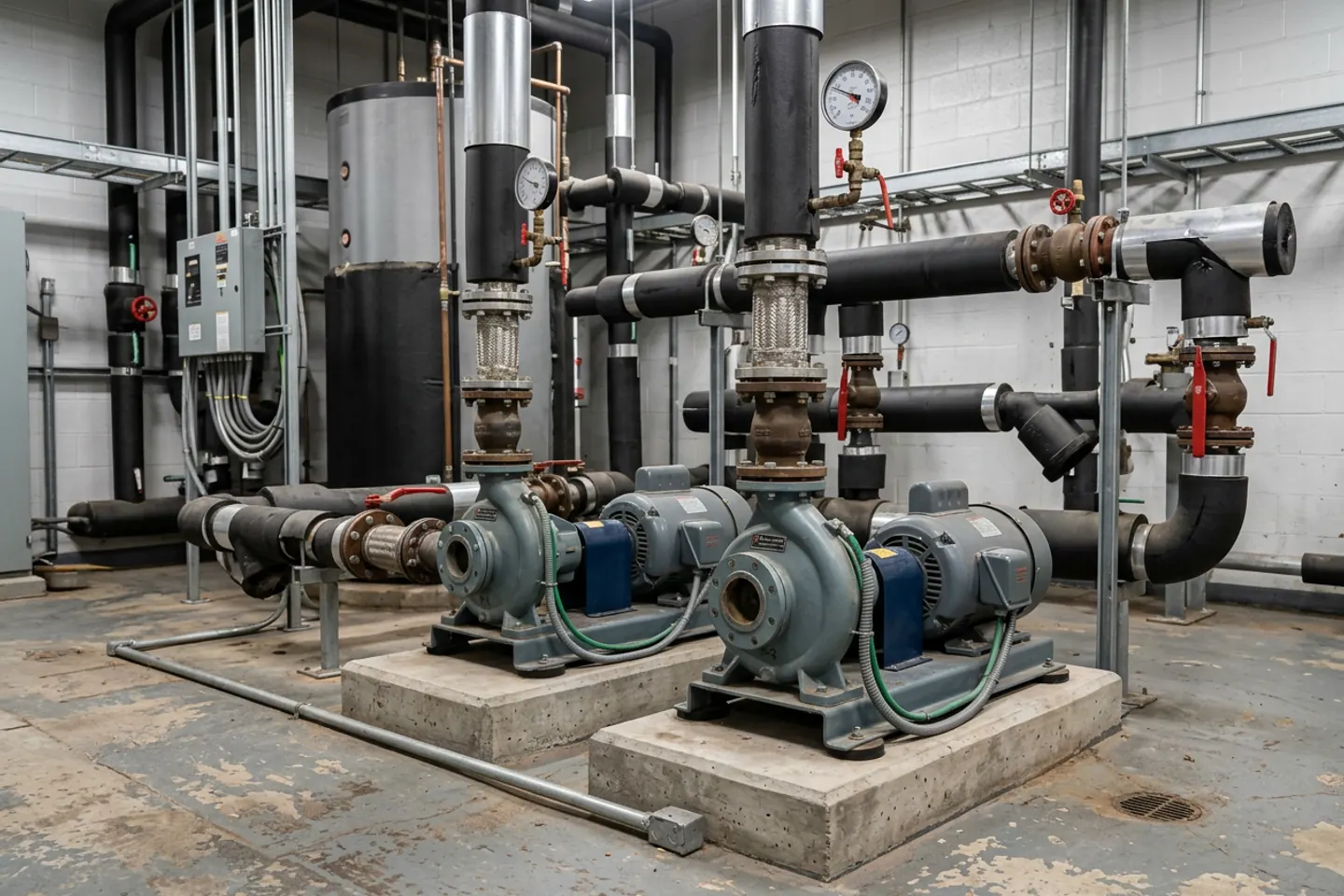
Hydronic circulation
Keep pump, valve, and loop records connected to the equipment they support. Document operating readings and repeated faults before choosing an intervention.
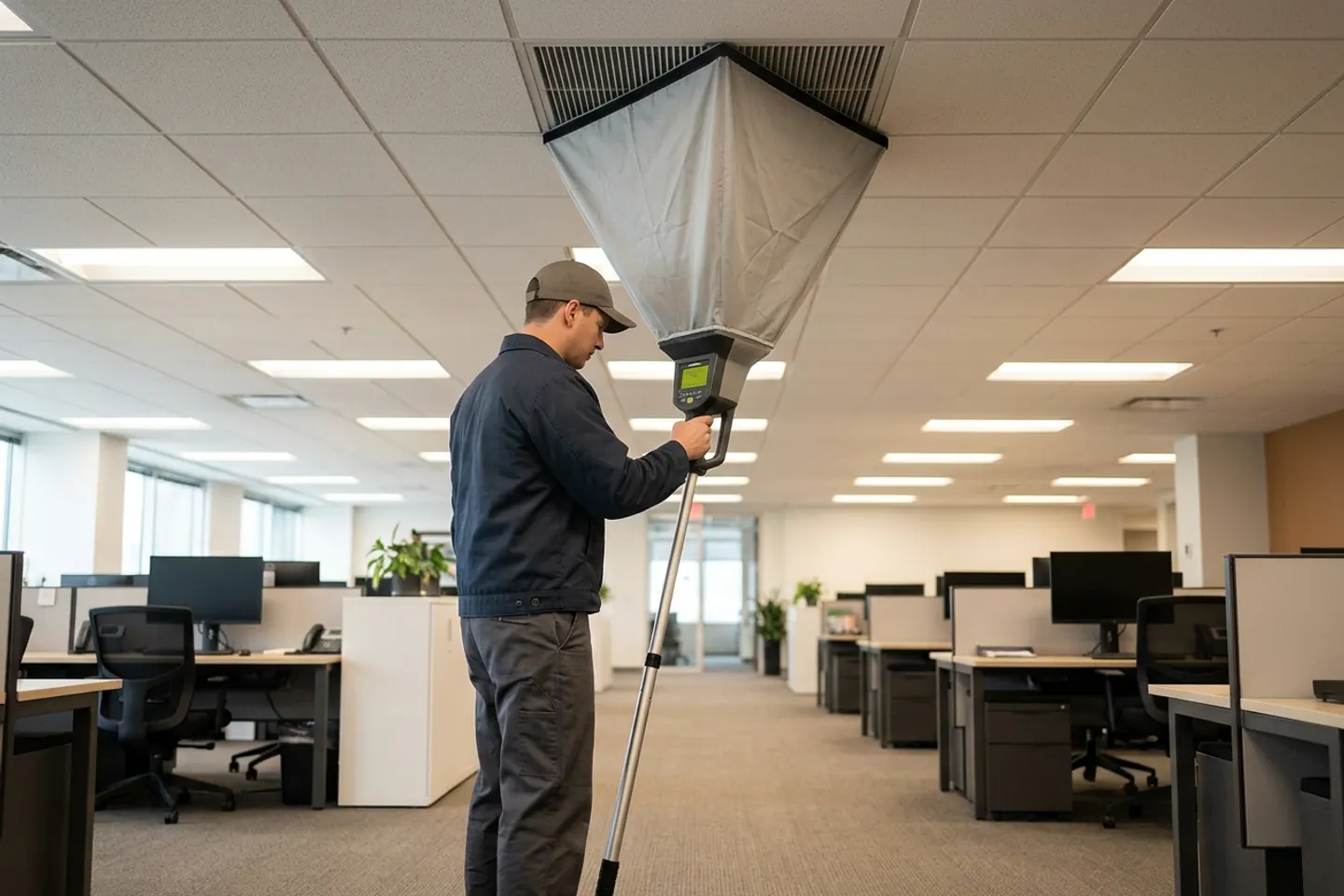
Field measurements
A useful test record identifies the instrument, calibration status, location, conditions, and method. Compare results with project criteria through qualified specialists.
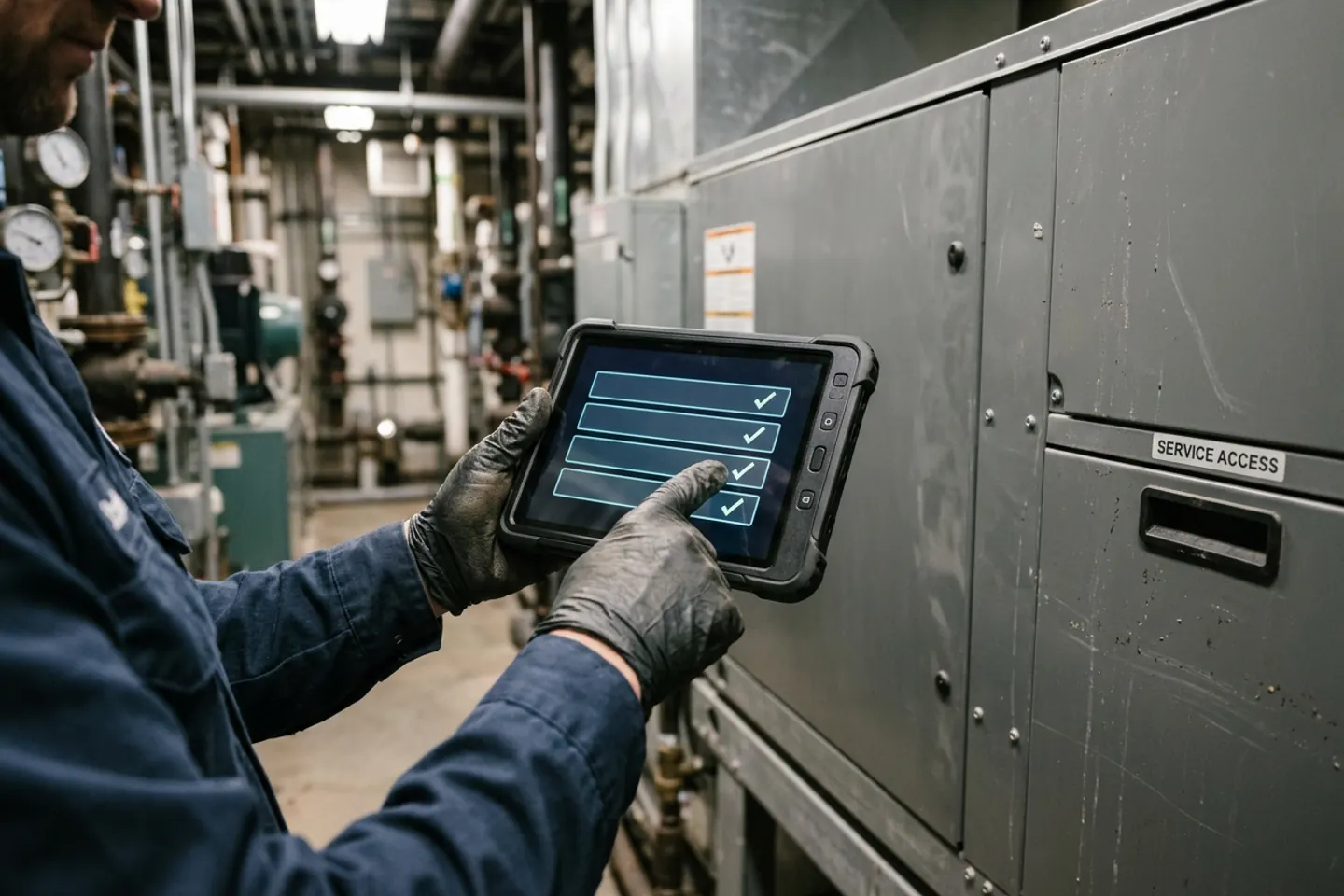
Work-order closeout
Close each work order with the asset, symptom, diagnosis, action, verification, and unresolved follow-up. Keep actual site photos separate from illustrative material.
Tie Portfolio Manager reporting to a current HVAC, controls, and maintenance inventory.
Use the local sources on this page to confirm applicable requirements. Bring actual equipment photos and records to an assessment; the gallery is a conversation guide, not a site survey.
See what an assessment covers- Tie Portfolio Manager reporting to a current HVAC, controls, and maintenance inventory.
- Prepare the evidence trail needed to distinguish benchmarking, auditing, and retro-commissioning activities.
- Evaluate heat-pump or efficiency projects against electrical capacity, controls, comfort, and service coverage.
- Keep LADBS requirements, LADWP programs, state code, and project engineering decisions separate.
- 01One covered building or portfolio segment
- 02Benchmarking and HVAC data-source audit
- 03Controls, maintenance, and retro-commissioning evidence sample
- 04Electrification and incentive question log
- 05Measured 90-day operating baseline
This is not LADBS compliance, engineering, permitting, or incentive advice.
Covered-building thresholds and deadlines must be verified with current official guidance.
No performance, savings, rebate, or compliance outcome is promised.
LADBS and city energy-program sources reviewed for benchmarking, audit, and HVAC modernization planning relevance. Current project obligations require official and qualified-professional confirmation.
Use these official starting points to verify local requirements, programs, building data, and responsible next steps. Resource availability and eligibility can change.
- Los Angeles Existing Buildings Energy and Water EfficiencyUse this official source to verify local requirements, programs, or operating context before acting.
- Los Angeles Department of Building and SafetyUse this official source to verify local requirements, programs, or operating context before acting.
- Los Angeles Department of Water and Power efficiency programsUse this official source to verify local requirements, programs, or operating context before acting.