Salt Lake City provides a building-ID and contact-information tool and links to separate Rocky Mountain Power and Enbridge Gas data services. [1]
LOCAL FIELD GUIDE // Mountain West · UT
Salt Lake City, UT: HVAC readiness for utility-data access.
For Salt Lake City property teams resolving the meter permissions, tenant releases, and electric-versus-gas data handoffs that precede a useful HVAC operating baseline.
Start Salt Lake City readiness with access to a complete meter record. Elevate Buildings connects benchmarking support with utility automation, but Rocky Mountain Power’s electric feed does not establish a complete multi-fuel building baseline. Tenant permissions, meter lists, gas data, and building details still need an accountable owner.
Jurisdiction: Salt Lake City, Utah, with utility data access confirmed separately for the actual account.
01 // PUBLIC-SOURCE FACTS
What the local record supports.
Source statements, not a determination about your building.
Rocky Mountain Power requires the meter numbers for building and tenant electric meters. Its published instructions call for tenant releases when a building has four tenants or fewer. [2]
The utility says electric-data processing can take up to 30 days, and additional data such as natural gas, floor area, and building details are needed for a complete Portfolio Manager record. [2]
02 // OPERATOR CHECKLIST
Turn context into an evidence record.
Our planning synthesis. These steps are not additional city requirements.
Connect utility data to asset evidence- Confirm the Salt Lake City building ID and update the owner or manager contact record.
- List all electric meters, including separately billed tenant meters; check current release requirements with the utility.
- Assign a person to request and verify gas records rather than assuming the electric automation connection includes them.
- Allow for utility processing time and check the first transferred reporting year for gaps or duplicate meters.
- Map meters to heating and cooling equipment before attributing an annual consumption change to an HVAC intervention.
03 // DIRECT ANSWERS
Questions before the next decision.
Does Rocky Mountain Power automation complete a Salt Lake City building baseline?
No. It supplies electric usage for the submitted meters. The utility explicitly identifies additional data, including gas and building details, that are needed for the full Portfolio Manager record. [2]
Can tenant electric meters be ignored if the owner pays only for common areas?
Not for the utility’s whole-building data process. Its instructions include tenant meter numbers and, in specified cases, tenant releases. Confirm the current permissions before requesting data. [2]
04 // LOCAL PROOF REGISTER
Inspect the sources.
Reference content checked 2026-10-06. Sources support only the stated scope; availability does not prove accuracy or site applicability.
- Elevate Buildings resources and utility automation Salt Lake City · local source
City building IDs, reporting support, and links to separate electric and gas automation resources.
Content checked 2026-10-06 - Whole-building electric data and tenant releases Rocky Mountain Power · utility source
Resource Advisor meter inputs, tenant release conditions, processing lead time, and separate building-data requirements.
Content checked 2026-10-06
ONE PROPERTY. ONE USEFUL NEXT STEP.
Start a Salt Lake City briefing Bring the local constraint.
Request an operating-readiness conversation for Salt Lake City. We assess fit first; a city guide is not a promise of on-site delivery.
VISUAL FIELD GUIDE // 10 SYSTEM VIEWS
HVAC in focus.
A guide for Salt Lake City, UT teams.
See the equipment, workflows, and records behind an operating-readiness assessment. Use these examples to ask better questions about your own building.
AI-generated educational illustrations shared across our city guides. These are not photographs of local buildings, Slyyyde projects, clients, or staff. Equipment shown may not be present at your site; illustrations are not installation instructions.
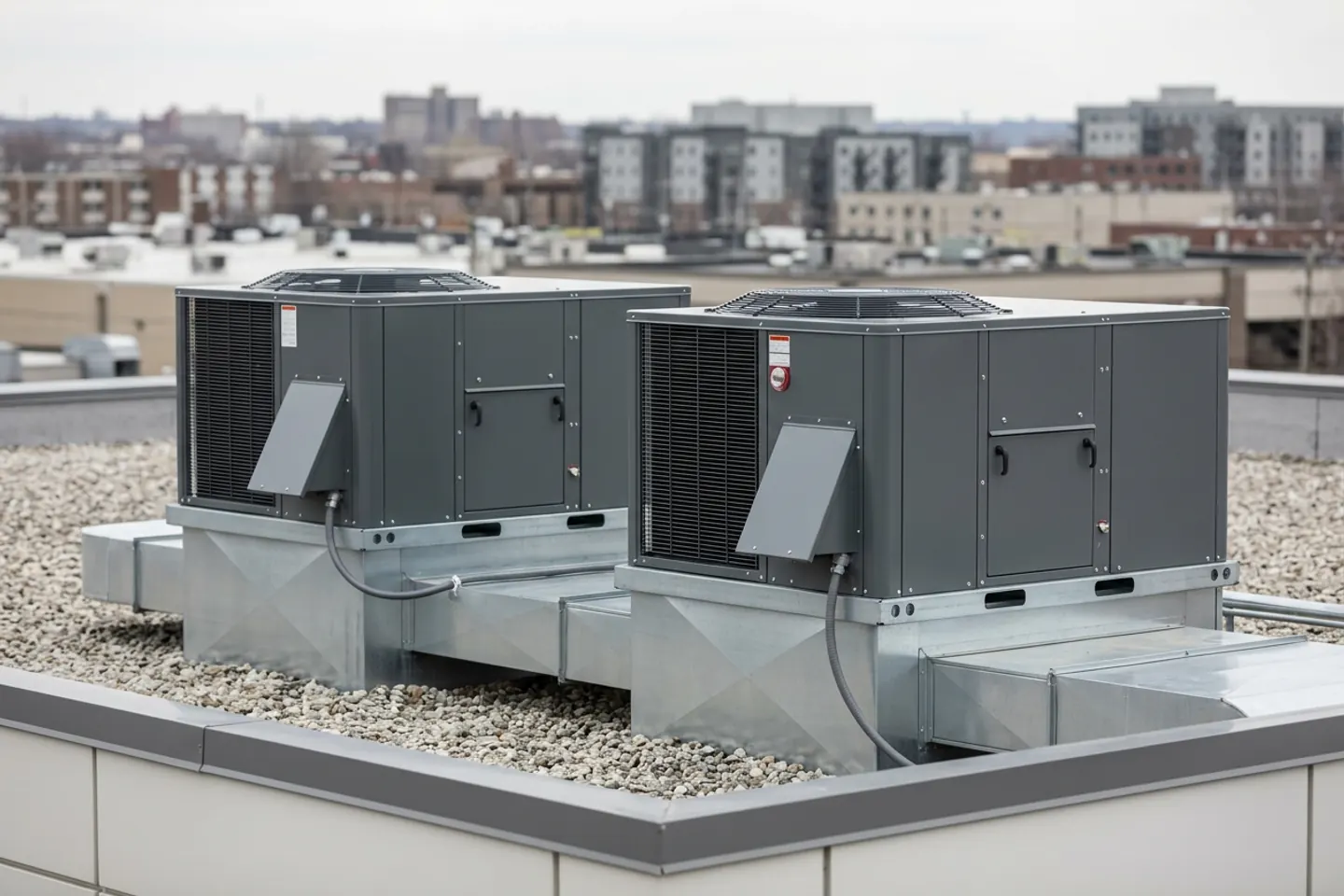
01 / Asset inventory
Rooftop equipment
Match each rooftop unit to an asset ID, nameplate record, service history, and the spaces it serves before planning repair or replacement.
RECORD TO COLLECTAsset register + service history
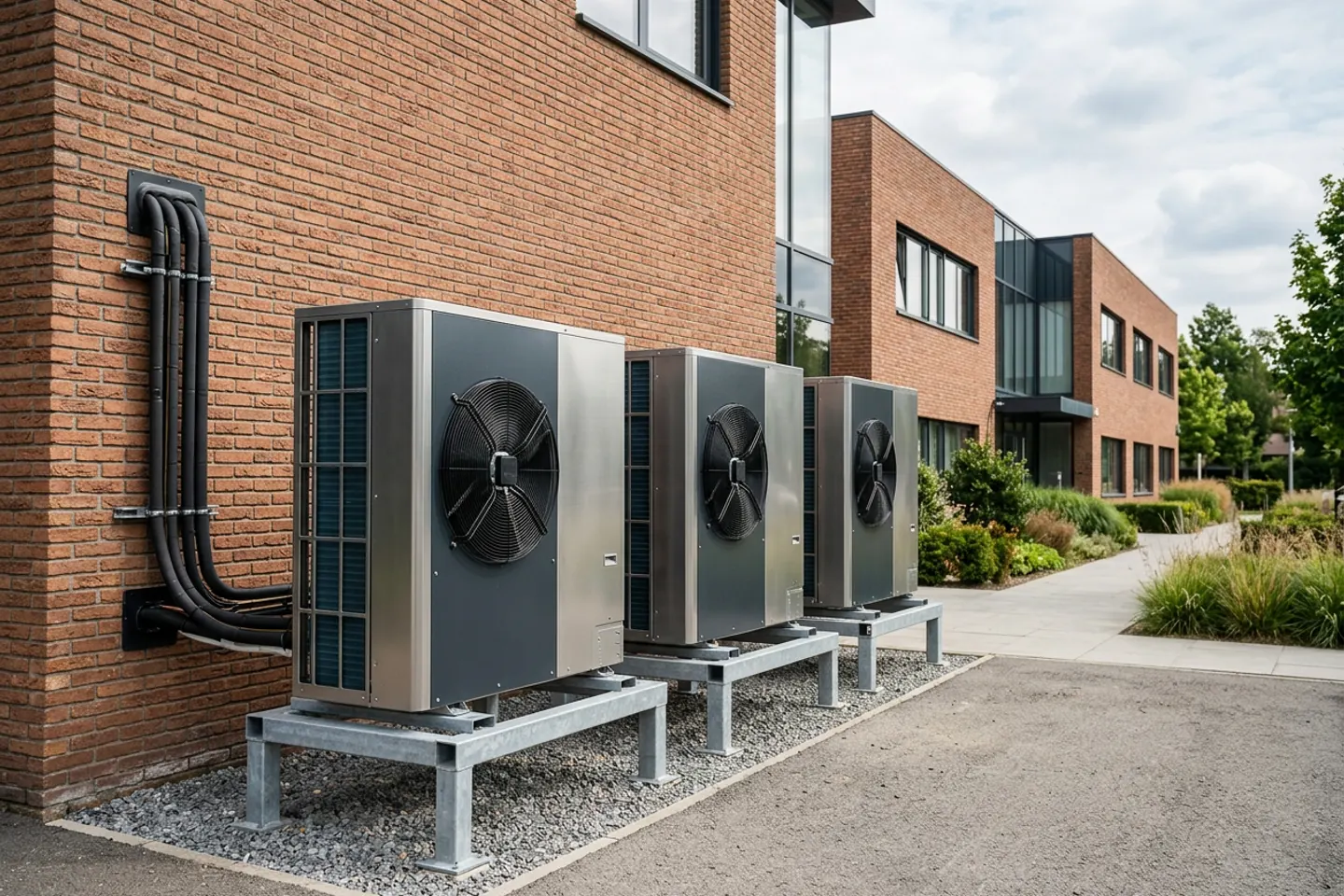
02 / Replacement planning
Commercial heat pumps
A heat-pump proposal needs building-load information, electrical capacity, operating-temperature requirements, and a qualified design review—not just an equipment quote.
RECORD TO COLLECTLoad assessment + electrical review
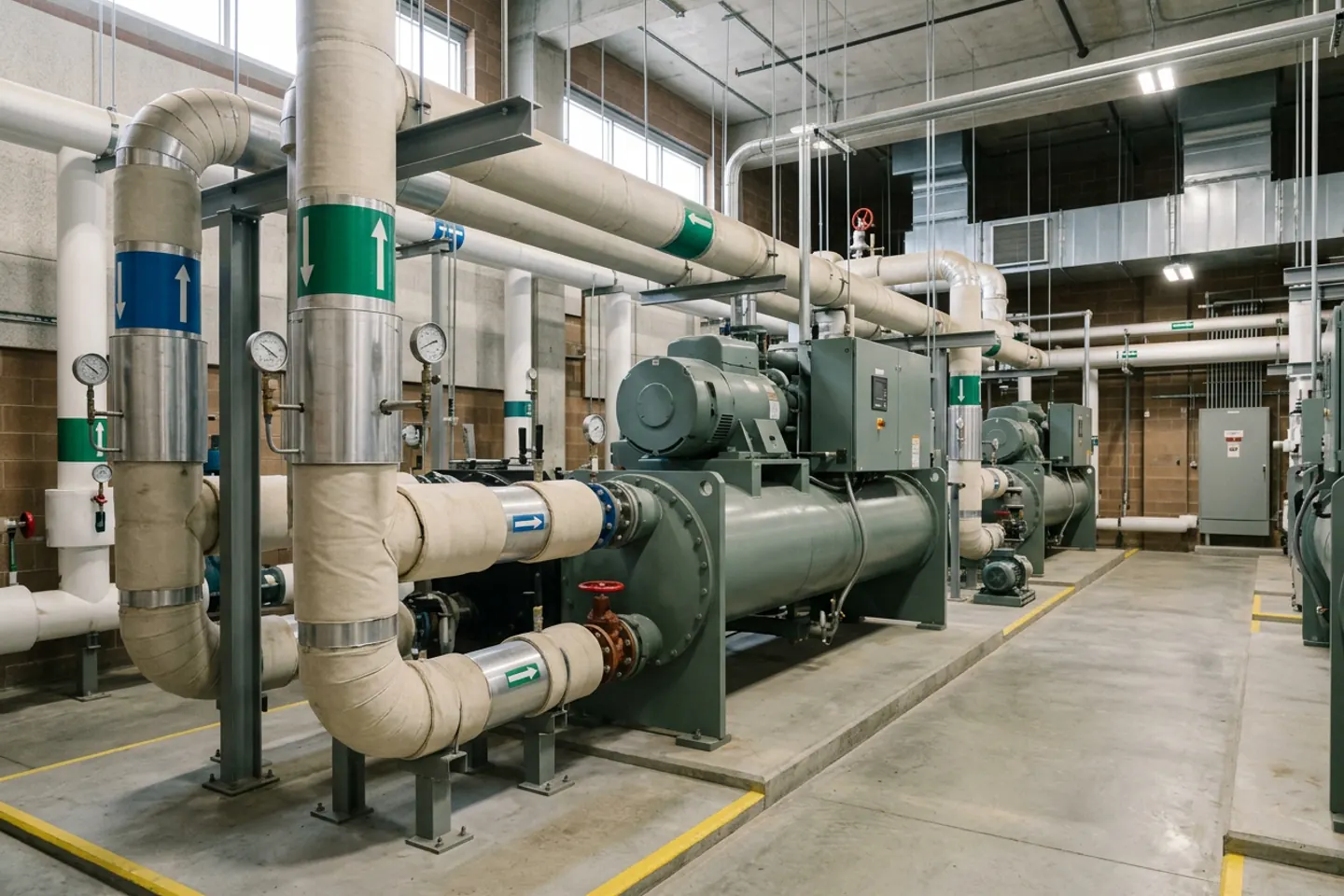
03 / System performance
Central cooling plants
Review plant schedules, water-temperature trends, alarms, and service records together. A single reading does not establish seasonal performance or savings.
RECORD TO COLLECTTrend logs + operating schedules
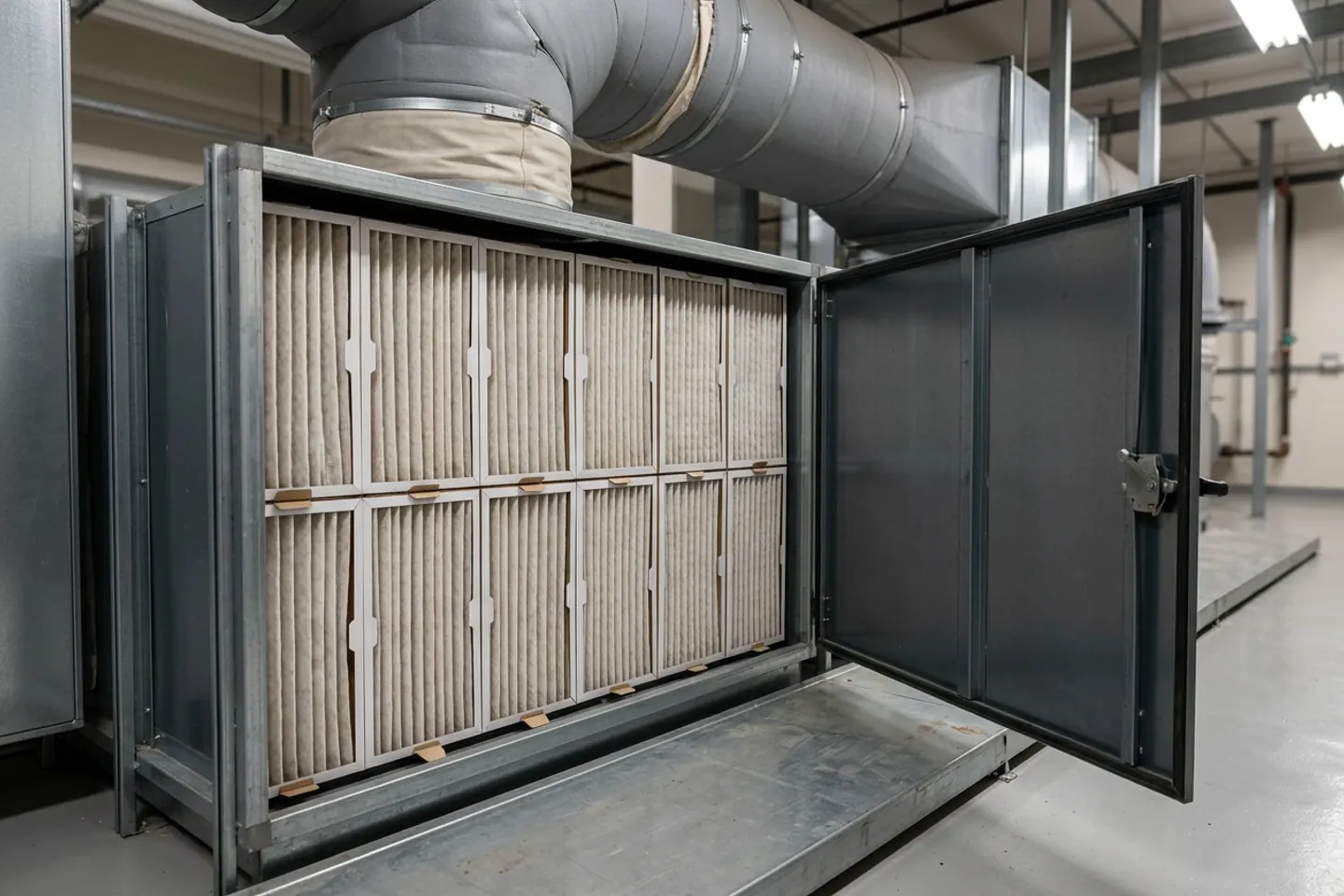
04 / Maintenance readiness
Air handling & filtration
Document the specified filters, replacement dates, access needs, and pressure readings where available. Filter appearance alone is not an indoor-air-quality assessment.
RECORD TO COLLECTFilter specification + maintenance log
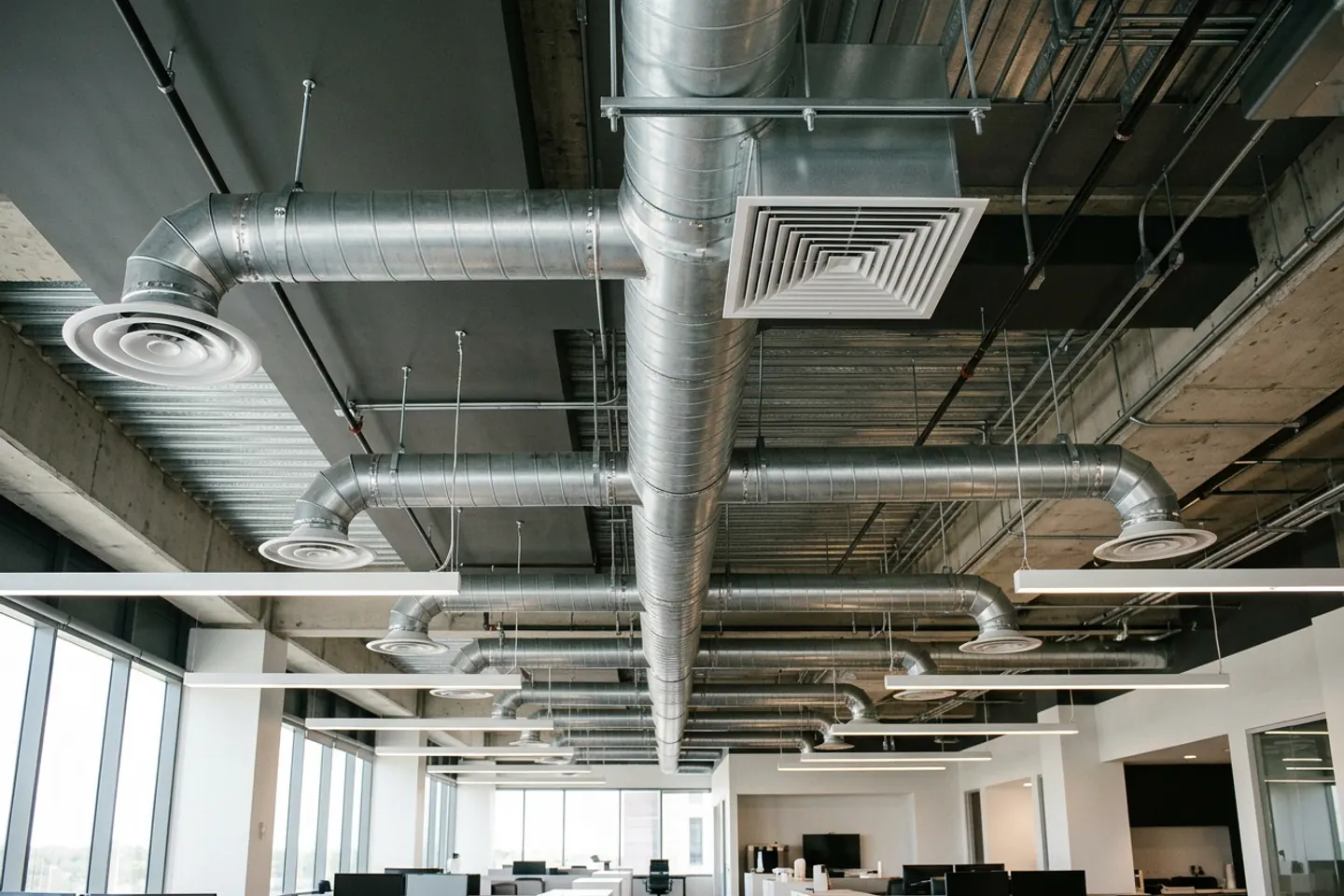
05 / Occupant comfort
Ventilation & distribution
Connect comfort complaints to zones, occupancy schedules, and available airflow records. Have qualified professionals evaluate ventilation and distribution changes.
RECORD TO COLLECTZone map + airflow records
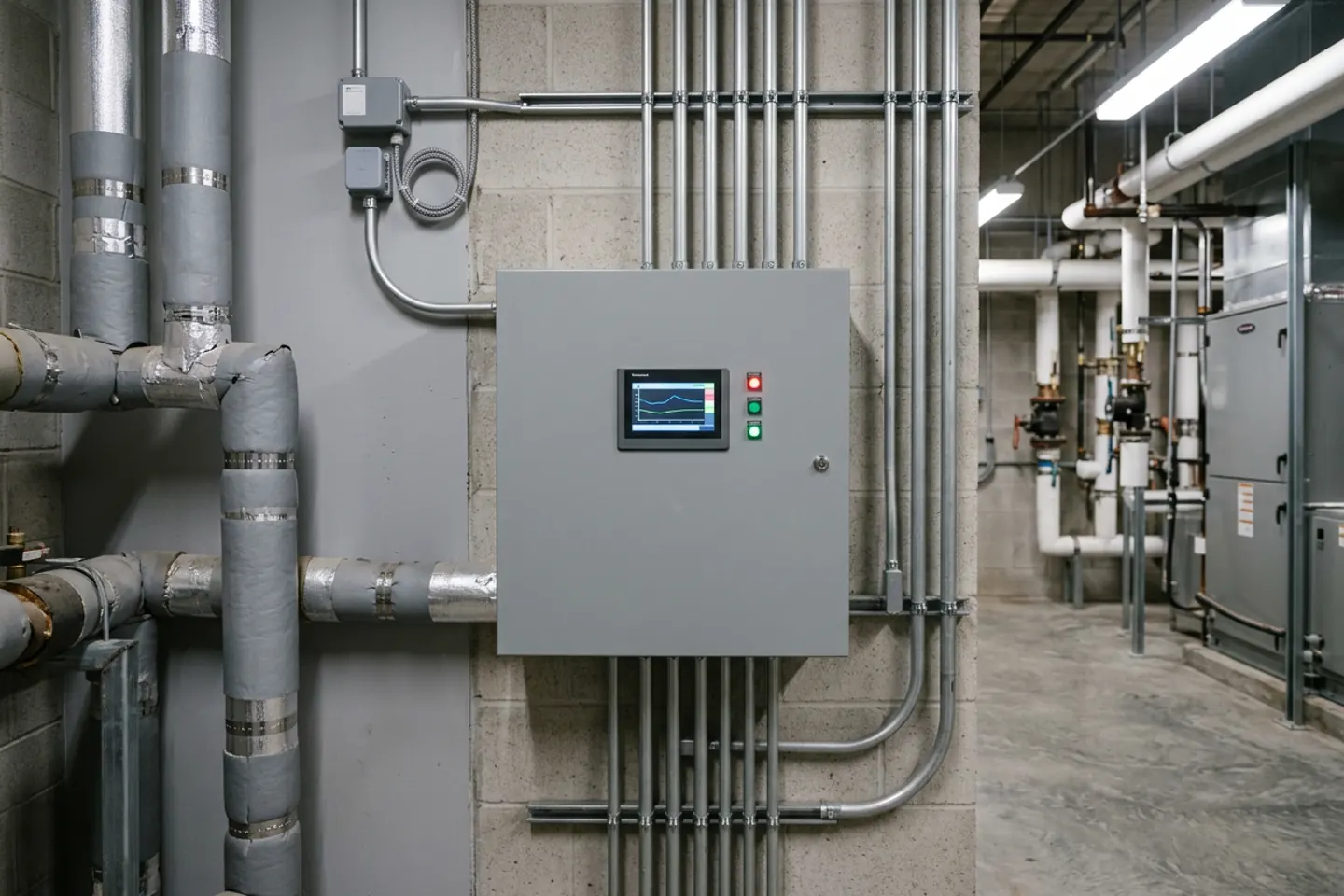
06 / Controls handoff
Building automation
Collect the point list, sequences, alarm history, and trend exports. Establish who can change settings and how those changes are recorded and reviewed.
RECORD TO COLLECTPoint list + sequence of operations
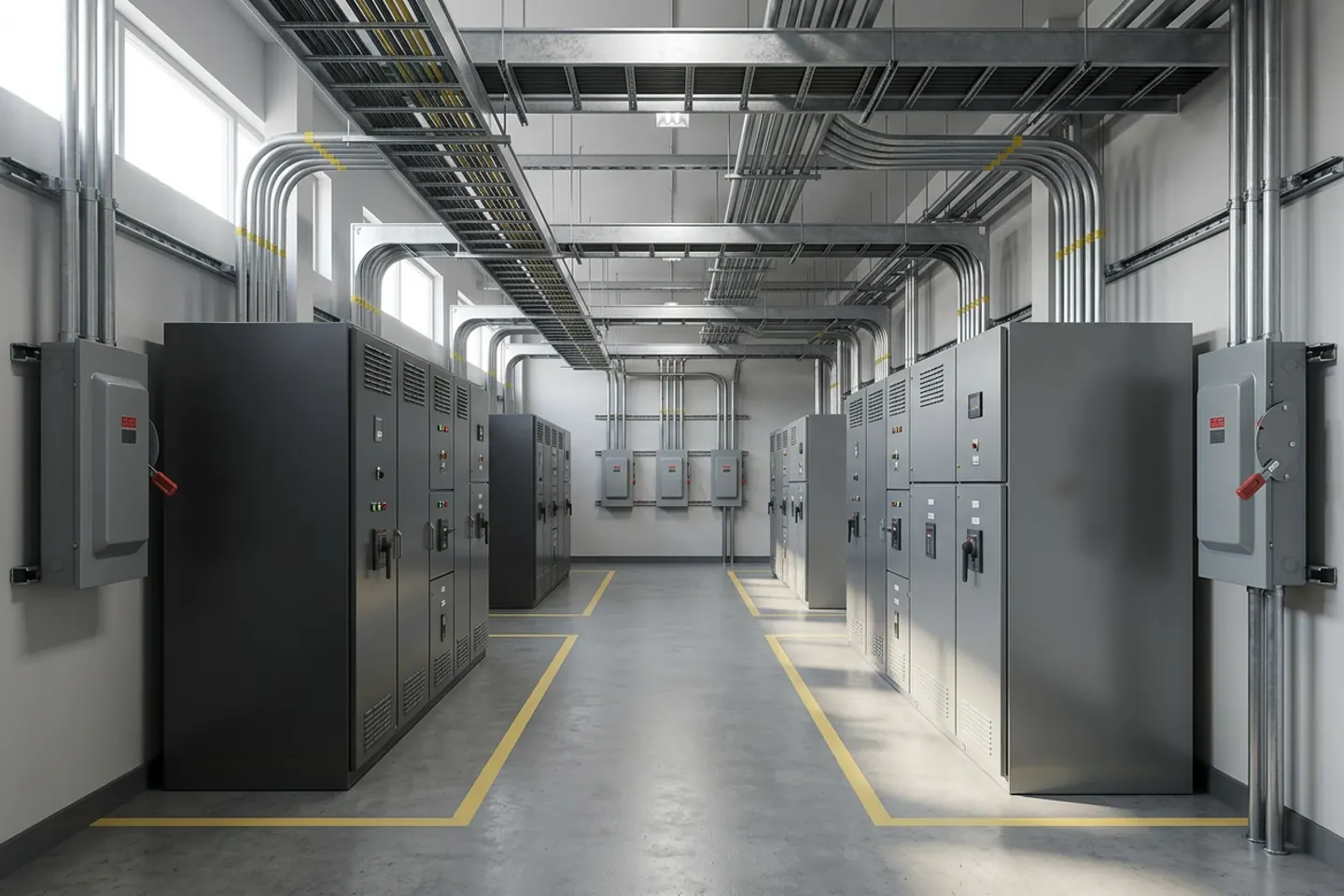
07 / Project dependencies
Electrical readiness
Route capacity, protection, and utility-service questions to qualified electrical professionals. A photograph cannot confirm spare capacity or code compliance.
RECORD TO COLLECTElectrical drawings + professional assessment
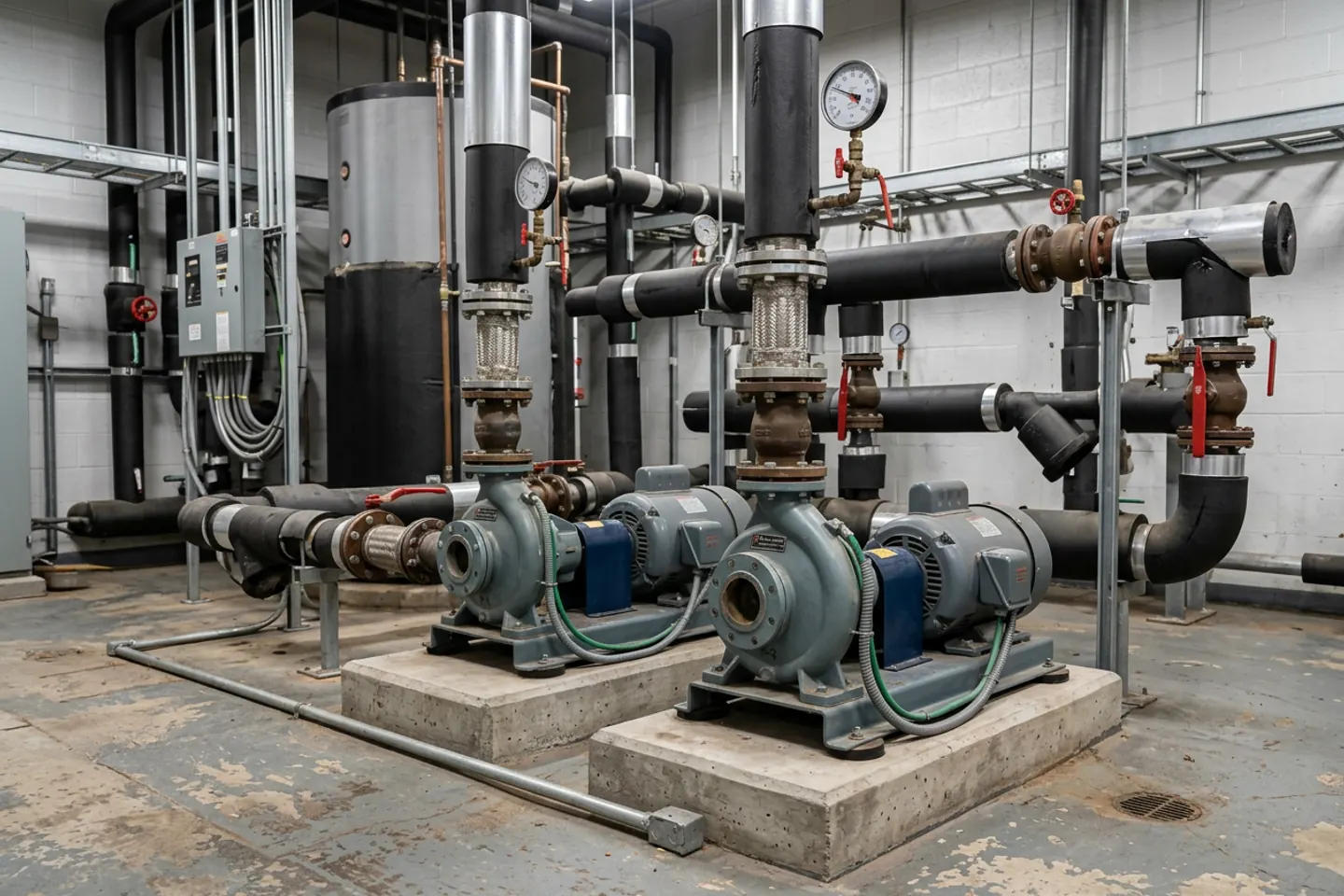
08 / Connected systems
Hydronic circulation
Keep pump, valve, and loop records connected to the equipment they support. Document operating readings and repeated faults before choosing an intervention.
RECORD TO COLLECTLoop diagram + operating readings
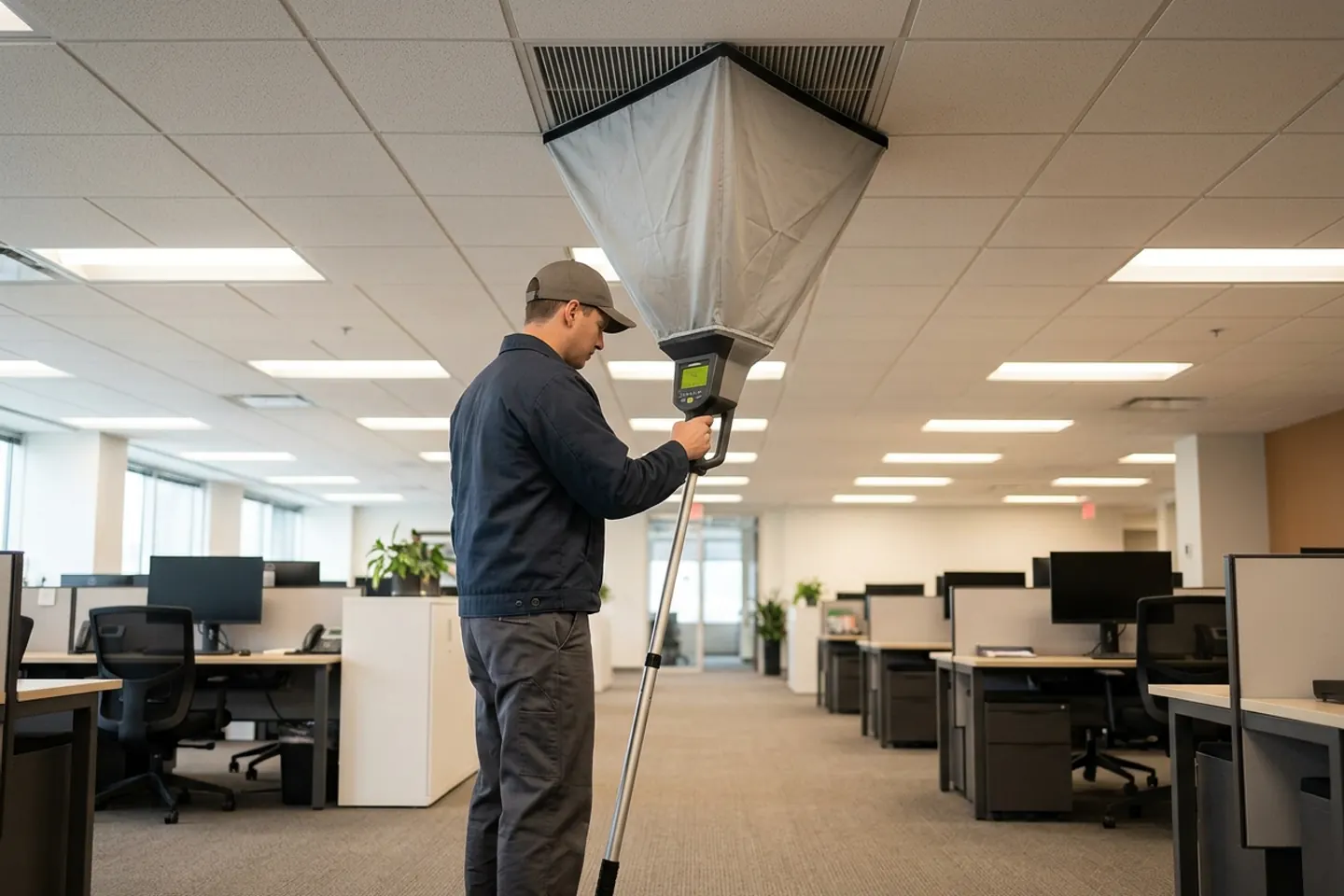
09 / Measured baseline
Field measurements
A useful test record identifies the instrument, calibration status, location, conditions, and method. Compare results with project criteria through qualified specialists.
RECORD TO COLLECTTest method + measurement report
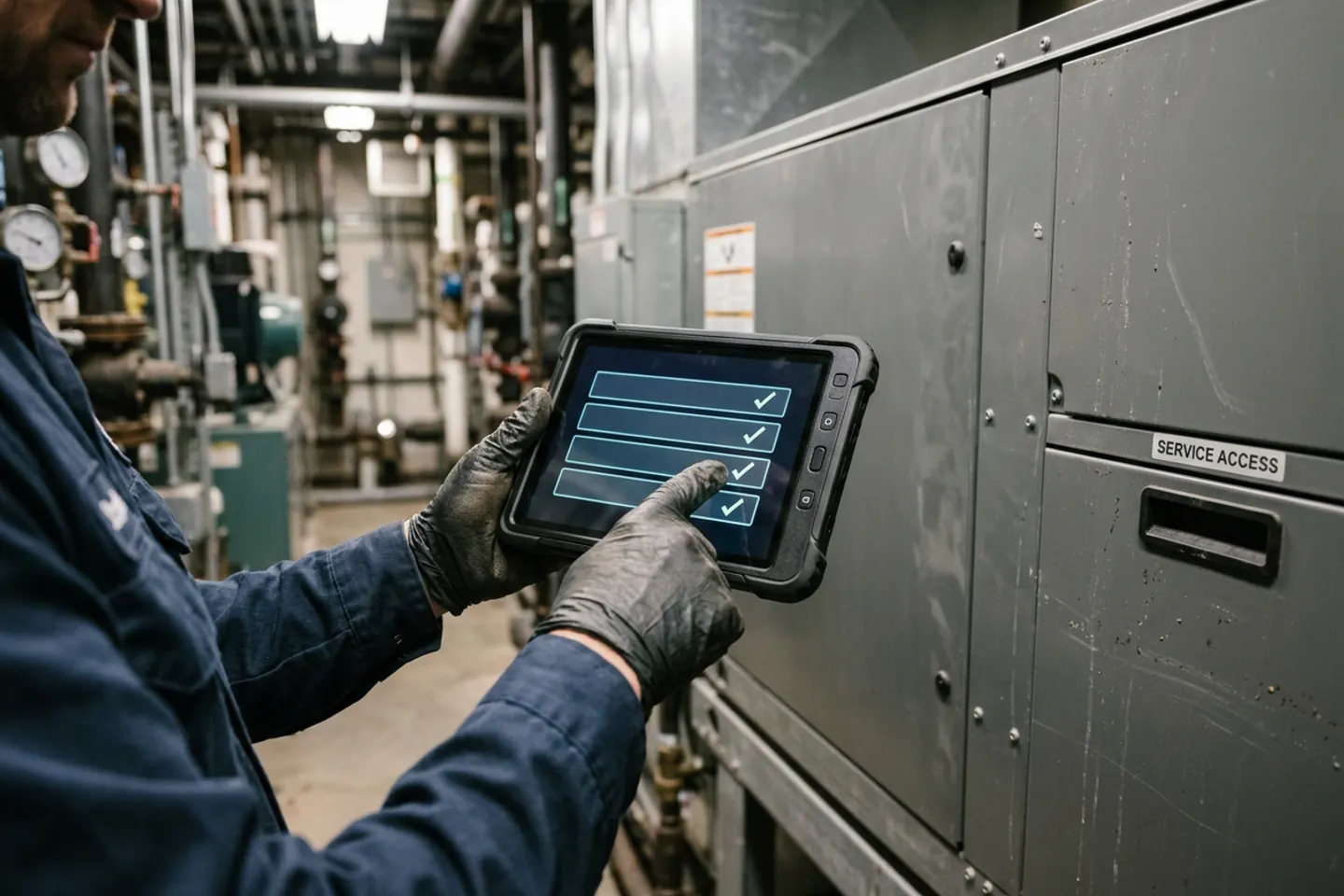
10 / Decision-ready records
Work-order closeout
Close each work order with the asset, symptom, diagnosis, action, verification, and unresolved follow-up. Keep actual site photos separate from illustrative material.
RECORD TO COLLECTCompleted work order + actual site photos
APPLY THE GUIDE IN SALT LAKE CITY, UT
Confirm the Salt Lake City building ID and update the owner or manager contact record.
Use the local sources on this page to confirm applicable requirements. Bring actual equipment photos and records to an assessment; the gallery is a conversation guide, not a site survey.
See what an assessment covers